1/21/2006

Museum: Sagawa Art Museum

[ . BACK to DARUMA MUSEUM TOP . ]
::::::::::::::::::::::::::::::::::::::::::::::::::::::::::::::::::::::::::::::::::::::::::::::::::::: 


Sagawa Art Museum, Moriyama

佐川美術館、 守山市,

The Sagawa Art Museum was built to commemorate the 40th anniversary of the founding of one of Japan's largest courier and delivery services, Sagawa Transport. Opened in March 1998 in Moriyama City, Shiga Prefecture, the museum is composed of two buildings: an art gallery featuring paintings by Ikuo Hirayama, and a sculpture museum featuring the works of the modern sculptor Churyo Satoh.

This museum is built on the shore of Lake Biwa, the largest body of water in Japan. A visit to this museum will relieve the fatigue of your journey and leave you with many nostalgic memories.
http://www.takenaka.co.jp/takenaka_e/t-file_e/b_first/sagawa/


Sagawa Art Museum Homepage
The S.A.M.'s mission is to contribute to the promotion and development of art and culture, through a variety of cultural initiatives,
focused on the exhibition of works by outstanding artists that embody the spirit of Japanese art, such as the painter Hirayama Ikuo, the sculptor Sato Churyo, and the ceramic artist Raku Kichizaemon.
Our aim is to serve not only the local community, but to provide a rich museum resource that is wide open to the whole world.
source : www.sagawa-artmuseum.or.jp

.............................................................................


Exhibition of the Temple Bell from Enryaku-Ji 2004


「国宝梵鐘」は、比叡山延暦寺の西塔宝幢院鐘として鋳造されたもので、鐘身内に銘文をもつ鐘として全国で6番目に古く、丈が高く裾開きの形状は他に例がないとして注目されています。その梵鐘が特別公開されます。
滋賀県守山市 佐川美術館 
http://www.jrx.jp/odekake/event/19899.html

The Temple Bell of Enryaku-ji was made in 858. It is a designed national treasure and the sixth oldest of its kind. The shape of the bell - elongated and widening out toward the bottom - is markedly different from those made in later periods and demonstrates the earliest characteristics of Japanese Buddhist Bells.
Exhibition till January 2005.

::::::::::::::::::::::::::::::::::::::::::::::::::::::::::::::::::::::::::::::::::::::::::::::::::::: 


. Bell, temple bell (kane 鐘) .

[ . BACK to DARUMA MUSEUM TOP . ]
[ . BACK to WORLDKIGO . TOP . ]

::::::::::::::::::::::::::::::::::::::::::::::::::::::::::::::::::::::::::::::::::::::::::::::::::::: 

Japan Folk Craft Museum, Tokyo

[ . BACK to DARUMA MUSEUM TOP . ]
::::::::::::::::::::::::::::::::::::::::::::::::::::::::::::::::::::::::::::::::::::::::::::::::::::: 

日本民藝館 Nihon Mingei-kan
Japan Folk Craft Museum in Tokyo


Located in Tokyo, the Mingeikan Museum is housed in a beautiful traditional Japanese building completed in 1936. Founded in the same year, the Mingeikan has over 17,000 items in its collection made by anonymous crafts people mainly from Japan, but also from China, Korea, England, Africa, and elsewhere.

Yanagi Soetsu (1889-1961), the first director and founder of the Museum, coined the term Mingei (folk art) in 1926 to refer to common crafts that had been brushed aside by the industrial revolution. Yanagi and his lifelong companions, the potters Bernard Leach, Hamada Shoji, and Kawai Kanjiro, sought to counteract the desire for cheap mass-produced products by pointing to the works of ordinary crafts people that spoke to the spiritual and practical needs of life. The Mingei Movement is responsible for keeping alive many traditions.

Homepage in ENGLISH
source : www.mingeikan.or.jp/english

List of latest Exhibitions
Click on the buttons for the years of Heisei 16 to Heisei 7.
平成16年度平成15年度平成14年度平成13年度平成12年度平成11年度平成10年度 平成9年度平成8年度平成7年度

xxxxxxxxxxxxxxxxxxxxxxxxxxxxxxxxxxxxx

Folk Art of the World
http://www.mingeikan.or.jp/Pages/gaihou.html

Old Pottery
http://www.mingeikan.or.jp/Pages/kotouji.html
..... Andon Oil Platters


http://www.mingeikan.or.jp/Pages/andon.html

Weaving and Dyeing
http://www.mingeikan.or.jp/Pages/senshokuhin.html
http://www.mingeikan.or.jp/Pages/senshoku.html


Pots and Plates


The Second Floor
http://www.mingeikan.or.jp/Pages/2Ftenjimap.html
http://www.mingeikan.or.jp/Pages/touji.html

... About Otsu-E, Pictures from Otsu
http://www.mingeikan.or.jp/Pages/otue.html

... About Ema, Votive Pictures
http://www.mingeikan.or.jp/Pages/ema.html

xxxxxxxxxxxxxxxxxxxxxxxxxxxxxxxxxxxxx

Links to other Mingei Groups and Museums in Japan
http://www.mingeikan.or.jp/Pages/dtannai.html

日本民藝館..
.鳥取民藝美術館.Tottori..倉敷民藝館.Kurashiki..松本民藝館.Matsumoto..熊本国際民藝館.Kumamoto..富山市民藝館.Fukuyama.
.日下部民藝館...愛媛民藝館.Ehime..松本民藝生活館..Matsumoto.大阪日本民藝館.Osaka..出雲民藝館.Izumo..益子参考館..Mashiko
.京都民藝資料館.Tokyo..豊田市民藝館 .Toyota

xxxxxxxxxxxxxxxxxxxxxxxxxxxxxxxxxxxxx

.. .. .. .. .. Yanagi Sori
"true beauty is not made ; it is born naturally"
http://www.japon.net/yanagi/

http://www.japon.net/yanagi/historye.shtml


xxxxxxxxxxxxxxxxxxxxxxxxxxxxxxxxxxxxx

Curtesy to the Japan Times
http://www.japantimes.co.jp/cgi-bin/getarticle.pl5?fa20050119a1.htm

Goblins and deities in folk art
By YOKO HARUHARA


In celebration of the Japanese New Year, the Mingeikan (Japan Folk Art Museum) has organized a special exhibition titled "Otsu-e: Edo Period Popular Paintings," showcasing this traditional Japanese genre of painting from the Edo Period (1615-1868).

The show includes over 140 works of otsu-e. This genre of folk art ranges from themes of good luck to those of happiness and prosperity. The paintings are at once frivolous, light-hearted and disarming, providing an amusing blend of auspicious symbols and social commentary. As such, they have been popular as artwork to display during the New Year festivities.

The name otsu-e is derived from the place where these paintings were sold, in and around the post town of Otsu, which lay on the Tokaido Road running between Edo (former Tokyo) and Kyoto. Stands were set along the road to sell these paintings as souvenirs to passing travelers. Created by anonymous artists, the paintings were sold in great numbers for little money.

Some of the first otsu-e were created during the Kanei Era (1624-44) following the early Edo persecution of Japanese Christians. The artwork provided an inexpensive source of Buddhist art that could be displayed in the homes of commoners who feared retribution from the authorities, and needed proof of their devotion to Japanese religious beliefs.

By the end of the Genroku Era (1688-1704), otsu-e had become so popular that their themes were expanded to include depictions of secular subjects, such as beautiful women, courtesans, heroes, animals and mythical goblins.

Among the auspicious otsu-e motifs on display at the exhibition are depictions of the Shichifukujin, or Seven Deities of Good Luck. Displaying images of these deities was believed to be talismanic, bringing longevity, wealth and business success to their owners. The practice of displaying Shichifukujin originated in the 15th century. The deities were drawn from an eclectic mix of Buddhist, Shinto and Taoist figures.

The deities are often portrayed riding in a boat together, but some otsu-e portray one or two deities, which are popular to display during the New Year.

One such painting, "Daikoku Shaving Fukurokuju," demonstrates the happy and humorous natures of these two members of the group of Seven Deities. Daikoku is the deity of prosperity, while Fukurokuju is the deity of longevity. Daikoku is almost naked, clothed only in a loincloth and wearing a red hood. Holding a razor in his right hand, he must climb a ladder in order to shave Fukurokuju's head, since it is so elongated. The painting illustrates the human qualities of deities, who seem less than godlike in such poses, showing that the immortals have as many foibles as us ordinary folk.

This painting also demonstrates the exceedingly simple artistic techniques used to depict the subjects of otsu-e. Usually drawn on plain brown paper, the paintings utilize a limited number of mineral pigments, typically including the colors blue, red, green, yellow and white. The first stage in creating the paintings was to make an outline in black, which was then filled in with colors in simple brushwork.

Each member of an artist's family pitched in to help, including parents and children. This process assured the quick completion of each work and enabled mass production of art. Many local craftsmen were involved in the production process, resulting in a pool of local themes in otsu-e art. So cheap that almost anyone could afford them, the art was often attached to doorways or glued on pillars and sliding doors in commoners' homes.

One of the most popular motifs of these paintings was the goblin, which came into vogue as a decorative theme in the 18th century. Although the goblin is a symbol of evil in religious iconography, in the satirical otsu-e folk art tradition, the symbol evolved to represent human folly. One such work is "Goblin Playing the Shamisen," which depicts a drunken, red-faced goblin immersed in playing this Japanese three-stringed instrument.

The farcical nature of this depiction teasingly tells the viewer that too much drinking is overly indulgent. Perhaps suffering the effects of inebriation following a New Year's celebration, people of the Edo Period we are humorously reminded of the consequences of one's actions. Other goblin images present remonstrations against arrogance, hypocrisy and carelessness. After they ceased being sought as Buddhist iconography, the otsu-e eventually evolved into talismans and entertaining artwork sold to passing travelers.

Another oft-depicted otsu-e theme is the monkey. In contrast to Japanese folk tales that depict monkeys as clever animals, the paintings portray them as stupid creatures, an allegorical reference to the mindlessness of human beings. One popular motif shown at the exhibition is "Gourd and Catfish," in which a slow-witted monkey attempts to catch a large slippery black catfish using a whole gourd. It shows the futility of efforts undertaken without forethought. Otsu-e like this were often used to demonstrate Confucian ethics and acted as visual texts -- a much more immediate medium than calligraphy -- since the 18th century.

In the mid-Meiji Era (1880s), foot traffic along the Tokaido Road was replaced by train travel and the curtain came down on the 200-year chapter of roadside sales of otsu-e paintings. As part of the genre of folk art, these simple, whimsical paintings revealed the foibles and the virtues of human behavior. They provided a ready source of art available to all and, as such, helped to popularize the distribution of art in Edo. Their preservation at the Mingeikan provides a window into the vernacular beliefs and lifestyles of the Edo period.

江戸時代、大津周辺で東海道を旅する人の気軽な土産物として売られていた大津絵。当館所蔵の大津絵コレクションの中から、「阿弥陀如来」「地蔵菩薩」などの初期の神仏画と、「藤娘」「瓢箪鯰」「鬼の念仏」などの世俗画100余点を陳列し、日本の民画を代表する大津絵の美しさに迫ります。
会期/平成17年1月7日(金)~3月27日(日)
所在/〒153-0041東京都目黒区駒場4-3-33   
03-3467-4527(電話)   ..... ..... 03-3467-4537(FAX)
http://www.japantimes.co.jp/cgi-bin/getarticle.pl5?fa20050119a1.htm


I have written about these pictures and their little brother, the pictures of Yamashina, now a suburb of Kyoto.
山科絵の話はこちら:

. Yamashian Paintings .
and Otsu-E 大津絵

::::::::::::::::::::::::::::::::::::::::::::::::::::::::::::::::::::::::::::::::::::::::::::::::::::: 

. Omamori - Japanese Amulets


. Omamori - Mingeikan Special


[ . BACK to WORLDKIGO . TOP . ]
[ . BACK to DARUMA MUSEUM TOP . ]

::::::::::::::::::::::::::::::::::::::::::::::::::::::::::::::::::::::::::::::::::::::::::::::::::::: 

Bunko, Library and Box

[ . BACK to DARUMA MUSEUM TOP . ]
::::::::::::::::::::::::::::::::::::::::::::::::::::::::::::::::::::::::::::::::::::::::::::::::::::: 

bunko ぶんこ【文庫】 a library
. . . . . a stationary box, tebunko 手文庫
. . . . . a collection of books
Bunko is now also used in names for museums.

CLICK for more photos

おさな子の文庫に仕廻ふ氷かな
osanago no bunko ni shimau koori kana

this small child
packs some ice
in his little box . . .


Kobayashi Issa
Tr. Gabi Greve

:::::::::::::::::::::::::::::::::::::::::::::::::::::::::::::::::::::::::::::::::::::::::::::::::::::
CLICK for more photos

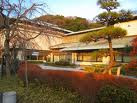
Kanazawa Bunko (金沢文庫)
is a private museum located in Kanazawa Ward, Yokohama, Japan. This museum features a private collection of traditional Japanese and Chinese art objects, which is made accessible to the general public.

The Kanazawa Bunko was originally a library, which it still is today primarily, but its collection also includes Japanese and Chinese art objects. It was one of the two most important centers of learning in medieval Japan, with Ashikaga Gakkō being the other. The library was opened in 1275 by Hōjō Sanetoki (1224-76), a grandson of Hōjō Yoshitoki, second regent of the Kamakura shogunate.

The art collection of the Kanazawa Bunko includes Kamakura portraits, calligraphy, Chinese and Japanese classics, Buddhist sutras, and Zen writings. It is housed in a building in the precincts of the temple Shōmyōji, though in a new building. The collection includes an eleven-headed Kannon (Goddess of Mercy), a Miroku, and other images designated as Important Cultural Properties.
© More in the WIKIPEDIA !


View of Kanazawa, Postcard

金沢文庫(かねさわぶんこ、かなざわぶんこ)は、
鎌倉中期の武将、北条氏の一族(金沢北条氏)
北条実時が武蔵国久良岐郡六浦荘金沢(現、横浜市金沢区)の邸宅内に建設した武家の文庫である。日本の初期における私設図書館とも位置付けられている。

source : www.kanazawabunko.com/

:::::::::::::::::::::::::::::::::::::::::::::::::::::::::::::::::::::::::::::::::::::::::::::::::::::

Eisei Bunko Museum, Tokyo

Chinese Stone Buddhas of the Hosokawa Moritatsu Collection

細川家16代護立(もりたつ)(1883~1970)は、大正から昭和初期というまさに中国鑑賞美術の新たな価値体系が形成されていく時期に、その鋭い鑑識眼をもって中国美術の優品を積極的に蒐集していったことはつとに有名です。本展ではそのコレクションから仏像彫刻を20年振りに一堂に公開いたします。西安近郊で作られた中国南北朝時代から隋・唐時代にいたる石仏には、国の重要文化財に指定されている作品も2点含まれ、その質の高さが知られています。


道教三尊像...(どうきょうさんぞんぞう) Three Daoist Deities

xxxxxxxxxxxxxxxxxxxxxxxxx


如来坐像...(にょらいざぞう) Seated Nyorai Buddha

xxxxxxxxxxxxxxxxxxxxxxxxxx


菩薩半跏像...(ぼさつはんかぞう) Seated Bosatsu

平成16年12月7日(火)~平成17年3月5日(土)
http://www.eiseibunko.com/exhibition.html

xxxxxxxxxxxxxxxxxxxxxxxxxxxxxxxxxxxxxxxxxxx

Chinese Relief Buddhas
(embossed(English), repousee(Francais))
from the Hosokawa Collection

http://members.at.infoseek.co.jp/yamashina/emboss/hosop.jpg
http://members.at.infoseek.co.jp/yamashina/emboss/moap.jpg

細面・細身の形から唐初期より昔のものだろうと推定されている作品です。左側は細川家旧蔵 (h 15.4 x w 15.2cm) [拡大図版] 。かなりよく鍍金が残っています。・右はMOA美術館(熱海) [拡大図版] こちらの鍍金は少し不審ですが、本体はまともなものでしょう。 これらは、1930年代ごろに、同じものが、まとめて多数出土したもののようで、これ以外にも2点同じ型によるものがあります。 白鶴美術館 ・Harvard大学WinthlopCollection [拡大図版] に所蔵されてます。
http://members.at.infoseek.co.jp/yamashina/emboss/repousej.htm

.................................................................................

Hosokawa Yusai and the
Armistice for the Sake of Poetry

by Carmen Sterba

Hosokawa Yusai was the only samurai who asked for an armistice, in the middle of battle, to save an irreplaceable commentary and his poetry collection.
...
Yusai, also known as Fujitaka, was not only a respected daimyo, but also a respected poet and the only living person at that time who was in possession of the hand-written poetry commentary and concordance to decipher the 600 year-old Collection of Poems Ancient and Modern (Kokinshu). It may be hard to believe how much Yusai's generals and Ishida's generals were concerned about the commentary with secret teachings for the first imperial anthology of waka poetry.
...
According to Museum Director Takeuchi Jun'ichi in his foreword to the Lords of the Samurai: The Legacy of a Daimyo Family: "In the midst of defending the castle, Yusai negotiated to have a portion of the Kokinshu denju [commentary] send with his poetry collection to [Prince Tomohito], by way of a specially dispatched 'armistice envoy'." Soon the prince handed the commentary to the emperor. It was most likely that these valuable possessions of the commentary, 21 hand-written imperial anthologies and a copy of The Tale of Genji were carried by oxen for the trip from the castle to the emperor in Kyoto and that a bodyguard of samurai accompanied them. Next, the emperor asked Yusai to surrender his castle, but he refused. At the end of this incident, the emperor issued an edit for peace and the battle at Tanabe Castle ended.

The Hosokawa Family Legacy and the Eisei-Bunko Museum

source : carmen-sterba.suite101.com
.................................................................................


quote
The Lineage of Culture-
The Hosokawa Family Eisei Bunko Collection

Exhibition at the Kyoto National Museum, Autumn 2011
This exhibition presents selected works that embody the history of this prestigious family.
Among the ruling class of Japan, the Hosokawa clan held its own in the realm of art. We hope you will enjoy the full scope of this collection’s allure through this exhibition.
source : www.kyohaku.go.jp

.................................................................................


May 18, 2011
The Eisei-Bunko Museum (Bunkyo-ku, Tokyo) which preserves and exhibits the legacy of the cultural treasures of the Hosokawa Family, lords of the former Kumamoto domain, produced an application for iPad “Samurai Art - The Hosokawa Family Eisei Bunko Collection” with cooperation of CROSS BORDERS Inc. Japanese edition has been released on December 4, 2010, followed by English and French edition on May 18, 2011 on Apple App Store.
Japanese edition recorded third place in App Store download ranking at the best.

“Samurai Art - The Hosokawa Family Eisei Bunko Collection” serially introduces historically precious assets of Hosokawa Family including 8 national treasures and 31 important cultural properties with high digital image quality.
source : www.free-press-release

:::::::::::::::::::::::::::::::::::::::::::::::::::::::::::::::::::::::::::::::::::::::::::::::::::::


Goten Daruma 御殿だるま 
mascot of Yanagizawa Bunko 柳沢文庫 Library
in honor of 柳澤吉保 Yanagizawa Yoshiyasu [1658 - 1714]

- quote
a Japanese samurai of the Edo period. He was an official in the Tokugawa shogunate and he was a favorite of the fifth shogun, Tokugawa Tsunayoshi.
He served Tsunayoshi from an early age, becoming his wakashu and eventually rose to the position of soba yōnin. He was the daimyo of the Kawagoe han, and later of the Kofu han; he retired in 1709.
© More in the WIKIPEDIA !

柳沢文庫 - 郡山城史跡・柳沢文庫保存会
source : www.mahoroba.ne.jp

. Goten 御殿 palace, mansion palatial residence .

. Shogun Tokugawa Tsunayoshi 徳川綱吉 . (1646 - 1709)

Tooyoo Bunko Tōyō Bunko 東洋文庫 Toyo Bunko
"Oriental Library", is Japan's largest Asian studies library and one of the world's five largest, located in Tokyo.
- Online Catalogue and Database - English -

:::::::::::::::::::::::::::::::::::::::::::::::::::::::::::::::::::::::::::::::::::::::::::::::::::::
:::::::::::::::::::::::::::::::::::::::::::::::::::::::::::::::::::::::::::::::::::::::::::::::::::::

CLICK for more photos

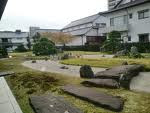
Kakimori Bunko 柿衛文庫(かきもりぶんこ)

Kakimori Bunko is a museum- library for the Kakimori Collection,
one of the world's
three major collections of haiku poetry and painting.


Basho Exhibition 2009, at Kakimori Bunko

It was founded in November 1984.The collection itself was assembled by the late Professor Rihei Okada(1892-1982),an honorary citizen of Itami and authority on Japanese classical literature.

The museum -library is located at 2-chome Miyanomae,in the center of Itami.Occupying 851 square meters,it is designed to look like a Sake( Japanese rice wine ) distillery.

"Kakimori," in Japanese,means Gurdian of Persimmon Tree.
Professor Okada, who assembled the collection,lived in an old house inherited from ancestors who twenty-three generations had made sake.In his garden a persimmon tree which is over 350 years old is well known in Japan,because the famous poet,Rai San-yo once visited Itami,tasted fruit from the tree,and left a poem to honor the delicious persimmons.

The Kakimori Collection includes about 3500 books of haikai and haiku and about 3500 original writings and paintings by Basho, Buson, Onitsura,and others. It covers four centuries of haiku history from medieval times to the modern day, incruding excellent examples by Rai San-yo and others men of letters who visited Itami. The collection is a unique and invaluable treasure of both Japanese art and literature.

The other two large collections are
Shachiku-Chikurei Bunko 洒竹・竹冷文庫 of Tokyo University
and
Wataya Bunko 綿屋文庫 of Tenri Library.

5-20,2-chome Miyanomae,Itami,Hyogo,Japan 664-0895
source : kakimori_bunko/english

"The Letter Series 3, Bashō and His Disciples" 手紙シリーズ
芭蕉とその門人; October 10 to December 23, 2015

A short list of items on exhibit,
including Bashō's "furu-ike ya" tansaku written by himself:

芭蕉筆「ふる池や」句短冊
許六筆芭蕉行脚像
芭蕉筆木因宛書簡 三月二十六日付
許六筆支考宛書簡 七月廿日付
蕪村筆三十六俳仙図刷物
杉風筆大嶋蓑里宛書簡 十一月二日付
- http://www.kakimori.jp/2015/11/post_206.php -

CLICK for more photos

庭訓の往来誰が文庫より今朝の春
teikin no oorai taga bunko yori kesa no haru

a letter sample
from a simple stationary box -
New Year's morning

Tr. Gabi Greve

Teikin Oorai 庭訓往来 textbooks of the Edo period:
. Matsuo Basho 松尾芭蕉 - Archives of the WKD .

::::::::::::::::::::::::::::::::::::::::::::::::::::::::::::::::::::::::::::::::::::::::::::::::::::: 

[ . BACK to WORLDKIGO . TOP . ]
[ . BACK to DARUMA MUSEUM TOP . ]

:::::::::::::::::::::::::::::::::::::::::::::::::::::::::::::::::::::::::::::::::::::::::::::::::::::