:::::::::::::::::::::::::::::::::::::::::::::::::::::::::::::::::::::::::::::::::::::::::::::::::::::
Ninja 忍者 spy
The towns of Iga and Koga in Shiga have declared
February 22 as the Ninja Day 忍者の日.
City officials in charge of tourism will be wearing ninja costumes on this day.
Kōga (modern Kōka City 甲賀市.

CLICK for more photos!
:::::::::::::::::::::::::::::::::::::::::::::::::::::::::::::::::::::::::::::::::::::::::::::::::::::

source : watashi.blogcoara.jp
Matriyoshika Dolls 忍者のマトリョーシカ

CLICK for more !
:::::::::::::::::::::::::::::::::::::::::::::::::::::::::::::::::::::::::::::::::::::::::::::::::::::

Ninja Kun 忍者くん - 阿修羅の章
source : Playtown-Darts
:::::::::::::::::::::::::::::::::::::::::::::::::::::::::::::::::::::::::::::::::::::::::::::::::::::

Daruma Otoshi Ninja Toy
ダルマ落としの忍者
:::::::::::::::::::::::::::::::::::::::::::::::::::::::::::::::::::::::::::::::::::::::::::::::::::::

忍ぶ恋(忍者だるま)
This is a magnetic Daruma ninja, which can be used to hold paper clips.
source : www.sakuan.net...
:::::::::::::::::::::::::::::::::::::::::::::::::::::::::::::::::::::::::::::::::::::::::::::::::::::

source : utageyaartdaruma.com / うたげやart達磨
:::::::::::::::::::::::::::::::::::::::::::::::::::::::::::::::::::::::::::::::::::::::::::::::::::::
A ninja or shinobi (忍者 or 忍び)
was a covert agent or mercenary of feudal Japan specializing in unorthodox arts of war. The functions of the ninja included espionage, sabotage, infiltration, and assassination, as well as open combat in certain situations. The ninja, using covert methods of waging war, were contrasted with the samurai, who had strict rules about honor and combat.
Iga and Kōga clans
伊賀 甲賀
The Iga and Kōga clans have come to describe families living in the province of Iga (modern Mie Prefecture) and the adjacent region of Kōka (later written as Kōga, Koga), named after a village in what is now Shiga Prefecture. From these regions, villages devoted to the training of ninjas first appeared.
Oniwaban お庭番
In the early 18th century, shogun Tokugawa Yoshimune founded the o-niwaban, an intelligence agency and secret service. Members of this office, the oniwabanshū ("garden keeper"), were agents involved in collecting information on daimyos and government officials.[41] The secretive nature of the oniwaban — along with the earlier tradition of using Iga and Kōga clan members as palace guards — have lead some sources to define the oniwabanshū as "ninja".
© More in the WIKIPEDIA !
. Mie Folk Art - 三重県 .
.......................................................................
Ise Azuchi Momoyama Bunkamura
伊勢安土桃山文化村
1201-1 Futamicho Mitsu, Ise
"Edo Wonderland Ise" "Sengoku Jidai Mura"

The theme park is built like a small castle town with various buildings, including a shrine, hair dresser, workshop, a small ninja museum, a ninja's tricky maze, a monster mansion, a ghost temple and a replica of the Azuchi Castle, seat of Oda Nobunaga, one of Japan's most important historical figures.
Costume rentals of samurai, princess, ninja, and more are available. You can walk around in the park with a costume and take pictures with your camera.
- source : ise-bunkamura.co.jp -

:::::::::::::::::::::::::::::::::::::::::::::::::::::::::::::::::::::::::::::::::::::::::::::::::::::
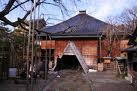
Ninjadera 忍者寺 Ninja Temple
Kanazawa、Myooryuuji 妙立寺
Myoryuji Temple, commonly known as Ninjadera , was built by the Maeda lords, rulers over the region during the Edo Period. While not actually associated with ninjas, the temple earned its nicknamed because of its many deceptive defences, like in a ninja residence (ninja yashiki).
Since the shogun imposed strict building restrictions as one way of weakening his regional lords, Myoryuji was designed to circumvent the restrictions and serve as a disguised military outpost. It was built with considerable defences and escape routes, so that its defenders could alert the castle in the event of an attack.
The temple's defences aimed to guard against intruders or attack, and include hidden tunnels, secret rooms, traps, and a labyrinth of corridors and staircases.
source : www.japan-guide.com
metsubushi めつぶし【目潰し】
pepper blower for blinding a person (used by ninja)
Hair ornaments (kushi and kanzashi) could be a deadly weapon.
Female ninja called kunoishi used them to rake the eyes of their victims while escaping or dipped them in poison to assassinate people.
. Comb (kushi 櫛)
The ninja used Daranisuke 陀羅尼助 in a slightly unusual way; a quick lick after days on a mission would make the ninja feel fully refreshed.
. Chinese Medicine, Kampo 漢方
. Takamatsu Toshitsugu 高松寿嗣
.......................................................................

Hattori Hanzo 服部半蔵, the famous Ninja
1541 - 1596 from Iga
Also known as Masashige. The son of a certain Hattori Yasunaga, Hanzo, who would earn the nickname 'Devil Hanzo', served Tokugawa Ieyasu loyally and usefully.

. Hattori Hanzō 服部半蔵 Hattori Hanzo - reference
. Hanagaki Jinja 花垣神社 .
Yono, Mie prefecture
The God in the Hanagaki-jinja shrine was the god of the Hattori family. Hattori Hanzo Masanari,

The Hanzomon 半蔵門 Gate of Edo castle is named after him.
. mon 門 the 36 gates of Edo castle .
:::::::::::::::::::::::::::::::::::::::::::::::::::::::::::::::::::::::::::::::::::::::::::::::::::::

. Matsuyama Haiku Ninja 俳句ニンジャ .
H A I K U
甲賀衆のしのびの賭や夜半の秋
Kooga shuu no shinobi no kake ya yowa no shuu
the Koga ninja
gambling secretly -
midnight in autumn
Yosa Buson
(About the ninja which had to perform duties as guards of the Edo castle.)

They lived in a guard house for 100 poeple 皇居 百人番所
:::::::::::::::::::::::::::::::::::::::::::::::::::::::::::::::::::::::::::::::::::::::::::::::::::::

忍者屋敷かまきり青き葉にひそむ
ninjayashiki kamakiri aoki ha ni hisomu
ninja residence -
a praying mantis in hiding
under a green leaf
Kagami Kyoosui 加々美鏡水
:::::::::::::::::::::::::::::::::::::::::::::::::::::::::::::::::::::::::::::::::::::::::::::::::::::
like a ninja
a crow in the paddy
is always alone
. Yoshino Yoshiko 吉野義子 .
:::::::::::::::::::::::::::::::::::::::::::::::::::::::::::::::::::::::::::::::::::::::::::::::::::::

gokiburi wa umarenagara no Iga ninja
a cockroach
is born to be
an Iga ninja
source : arakan
:::::::::::::::::::::::::::::::::::::::::::::::::::::::::::::::::::::::::::::::::::::::::::::::::::::

ninja neko tea mug at ebay
:::::::::::::::::::::::::::::::::::::::::::::::::::::::::::::::::::::::::::::::::::::::::::::::::::::
. Jizo statues in the area of the ninja in Iga 伊賀忍者.
Matsuo Basho and . Sora, another ninja haiku poet.
. Regional Folk Toys from Japan .
[ . BACK to WORLDKIGO TOP . ]
[ . BACK to DARUMA MUSEUM TOP . ]
- - - - - #ninja #iseninja - - - - -
:::::::::::::::::::::::::::::::::::::::::::::::::::::::::::::::::::::::::::::::::::::::::::::::::::::


 Posts
Posts



5 comments:
How to properly wrap a ninja hood . . .
First put a cloth over the top of your head. There should be two pieces of cloth dangling from each side. Now take the left dangling side and fold it inwards so that the inside surface is facing out. Then pull it across your nose and mouth. You should feel the hood press firmly against all the left side of your head.
more
http://en.rocketnews24.com/2014/10/08/how-to-properly-wrap-a-ninja-hood-now-available-in-english/
The Ninja: An Invented Tradition?
Stephen Turnbull,
Akita International University
The ninja
is a well known phenomenon in Japanese military culture. The popularity of the tradition is centered on the neighboring areas of Iga and Kōka (Koga) where ninja are a profitable tourist attraction.
This paper examines the historical sources on which the ninja tradition is based to see if the pre-eminence claimed by Iga and Kōka is justified. It is shown that they were no different from several other places in their geography or their politics and that only one reliable account of secret warfare can be identified before 1581, the year when Iga Province ceased to exist as an independent self-governing entity.
Secret warfare was practiced throughout Japan but this tiny area of Japan claimed a particular expertise in it and thereby invented a tradition that is still resonant today and now has all the hallmarks of a cult.
.
http://digitalcommons.kennesaw.edu/jgi/vol9/iss1/3/
.
Koogazaka 甲賀坂 Koga slope
千代田区神田駿河台一丁目
駿河台は忍者の賭場の跡
Remains of the gambling spot of Ninja in Surugadai
A group of 100 Koga ninja members 甲賀百人組 settled in Kanda in Edo, in
Koogamachi 甲賀町(こうかまち) Koga Machi, Koga Village.
This placename was kept until 1933, when it was renamed to
神田駿河台一、三丁目 Kanda Surugadai Ichi - Sanchome.
And Kogaichoo in Azabu 麻布の笄町(こうがいちょう)は「甲賀町 Koga-cho・伊賀町 Iga-cho」was named after the Koga and Iga ninja.
this gambling
of the Koga ninja -
midnight in autumn
与謝蕪村 Yosa Buson
After the Iga and Koga ninja spies had come to Edo to serve the government, peace came and there was not so much to do for them any more. So on the evenings getting longer in autumn they would gather secretely and do some gambling.
.
http://edoflourishing.blogspot.jp/2015/10/surugadai.html
.
Adachi, Kenichi. 足立卷一
Tachikawa bunko no eiyuutachi
Tokyo: Chūo Kōronsha, 1987.
includes many ninja tales and legends.
Taishu geijutsu no fukuryu 大衆芸術の伏流
Tokyo : Rironsha 理論社 1967.
.
Fuuma Kootaroo, Fūma Kotarō 風魔小太郎 Fuma Kotaro
(? - 1603)
... A popular but fictional story says that in 1596, Kotarō was responsible for the death of Hattori Hanzō, a famous ninja in the service of Tokugawa Ieyasu, who had tracked him down in the Inland Sea, but Kotarō has succeeded in luring him into a small channel, where a tide trapped the Tokugawa gunboats and his men then set fire to the channel with oil. Kotarō was eventually caught by the shogunate's special law-enforcement force, guided by his rival and a former Takeda ninja Kosaka Jinnai (高坂甚内), and executed through beheading by an order of Ieyasu in 1603.
.
http://darumapedia-persons.blogspot.jp/2017/06/fuma-kotaro-ninja.html
.
Post a Comment