12/29/2006

Katsuyama Trees Walls


Walls and Trees in Katsuyama


autumn rain -
secluded lives behind
white walls


:::::::::::::::::::::::::::::::::::::::::::::::::::::::::::::::::::::::::::::::::::::::::::::::::::::


these branches -
an ancient play ready
to unfold


:::::::::::::::::::::::::::::::::::::::::::::::::::::::::::::::::::::::::::::::::::::::::::::::::::::


autumn solitude -
a lone tree reaches
for the sky


ooo ooo ooo ooo ooo ooo ooo ooo ooo ooo ooo


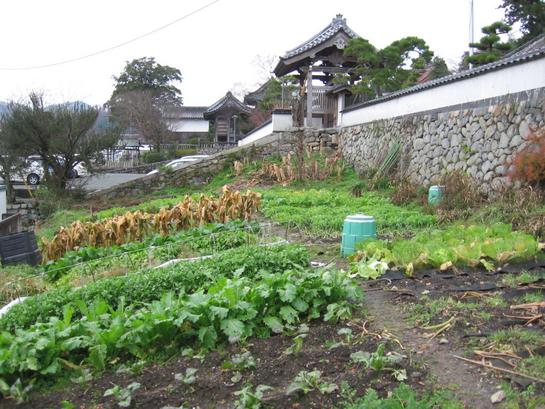
monks behind walls -
the vegetables grow to
nurish us all


Click on the thumbnails to read the full entry !


The Samurai Residence


Shrine for Okuninushi of Izumo


Temple Daiun-Ji


White Walls of old Town Houses


:::::::::::::::::::::::::::::::::::::::::::::::::::::::::::::::::::::::::::::::::::::::::::::::::::::


The details are here :
Katsuyama, a postal town on the Road to Izumo


If you like trees, here is more about them.
。。。Trees, my Best Friends 。。。


***********************

Please send your contributions to Gabi Greve

Alphabetical Index of the Daruma Museum

Worldkigo Database

12/28/2006

Katsuyama Temple Daiun-Ji


Temple Daiun-Ji in Katsuyama 大雲寺


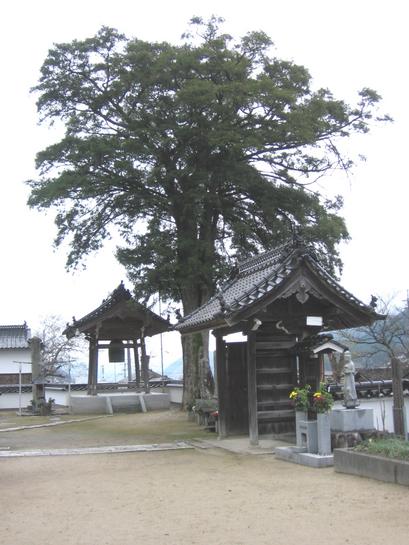
This temple of the Pure Land Sect was founded in 1564 by the monk Soo-U 雙羽坊. He was given the place by the Lord of Mori to build a temple. He spend a long time in ascetic practises. He also dug a deep well there. The old tree in the compound, Sooshi no matsu, is now more than 300 years old.


old Dragon tree -
the mind wanders between now
and then


*** *** ***


:::::::::::::::::::::::::::::::::::::::::::::::::::::::::::::::::::::::::::::::::::::::::::::::::::::


More Trees of Katsuyama


Read the details here about
Katsuyama, an old postal town on the road to Izumo


***********************

Please send your contributions to Gabi Greve

Alphabetical Index of the Daruma Museum

Worldkigo Database

12/13/2006

Katsuyama Takada Shrine

nnnnnnnnnnnn TOP nnnnnnnnnnnnn

Takada Shrine, Takada Jinja 高田神社


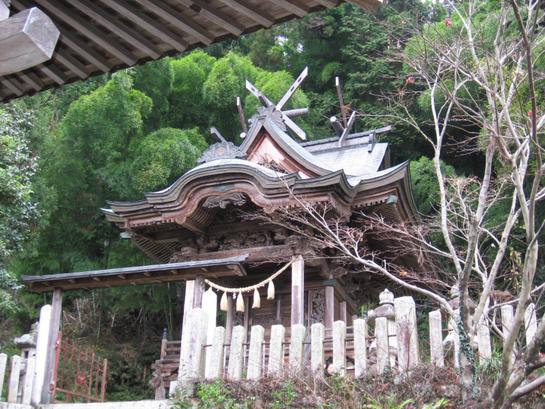
This shrine was founded in 久寿2年9, in honour of the main deity of Kumano, and contained a temple and a shrine. In the Meiji period, they became separated and the shrine was called as it is now.

The sturcture is called "Middle-Mountain structure" nakayama zukuri 中山造り, also called "structure in three directions" hoosanken zukuri 方三間造り which is special to the Mimasaka area of Okayama in the beginning of the Edo period.


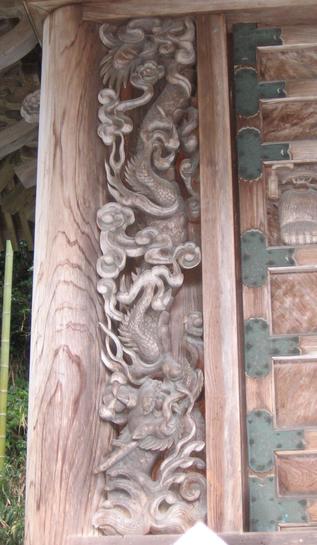
Detail of the Dragon Carving


Lucky symbols at the door carving


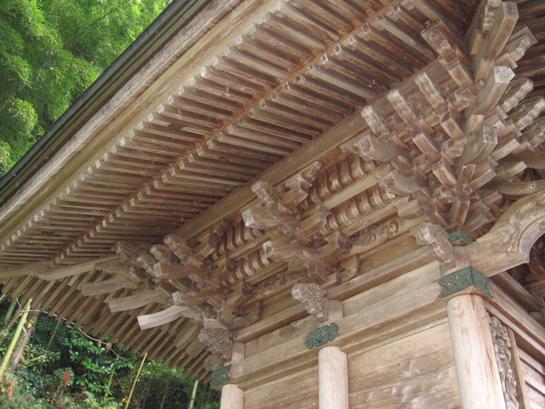
The roof structure


:::::::::::::::::::::::::::::::::::::::::::::::::::::::::::::::::::::::::::::::::::::::::::::::::::::


BACK TO
Katsuyama, a postal station of the Road to Izumo 


***********************

Please send your contributions to Gabi Greve

Alphabetical Index of the Daruma Museum

Worldkigo Database

Katsuyama Town Houses

nnnnnnnnnnnn TOP nnnnnnnnnnnnn

Traditional Town Houses of Katsuyama


The town is famous for the preservation of its old houses.
Here are a few samples.


ooo ooo ooo ooo ooo ooo ooo ooo ooo ooo ooo ooo


:::::::::::::::::::::::::::::::::::::::::::::::::::::::::::::::::::::::::::::::::::::::::::::::::::::


Windows with woodwork to shut out the summer heat
and let in the brightness of the day.


ooo ooo ooo ooo ooo ooo ooo ooo ooo ooo ooo ooo


whispering through
the window lattice -
winter love


Look at some more of these door curtains ! 


BACK TO
Katsuyama, a postal station of the Road to Izumo 


***********************

Please send your contributions to Gabi Greve

Alphabetical Index of the Daruma Museum

Worldkigo Database

12/12/2006

Katsuyama Samurai Residence

[ . BACK to WORLDKIGO . TOP . ]
::::::::::::::::::::::::::::::::::::::::::::::::::::::::::::::::::::::::::::::::::::::::::::::::::::: 

Samurai Residence, buke yashiki 武家屋敷

The official residence of the Watanabe 渡辺邸 family, the caretaker family (karoo 家老) of the Lord of Miura. It was built in the first year of Meiwa 明和元年(1764).
Now it is a small museum where you can enjoy the life of a samurai family of olden times.

The culture of the samurai, buke bunka 武家文化 is very special to Japan and was at its best maybe during the Edo period. Apart from the daily practise of martial arts, they were also educated in the art of poetry, tea and flower arrangement, for example. A real samurai had to be strong and educated, bunbu ryoodoo 文武両道.


A look in the garden


camellia blooming
in an old garden -
samurai's dreams


Click on the haiku to look at them in detail.

:::::::::::::::::::::::::::::::::::::::::::::::::::::::::::::::::::::::::::::::::::::::::::::::::::::

First a bit more on the samurai residence.
Quote from JAANUS

A style of residential architecture in use among the bushi 武士 or warrior class. As defined by the early 20c Japanese architectural historian Itou Chuuta 伊東忠太, buke-zukuri originated among the eastern warriors and came to maturity in Kamakura 鎌倉, the headquarters of the military government, bakufu 幕府, founded by Minamoto no Yoritomo 源頼朝 in the late 12c.

It was purportedly surrounded by a peripheral defensive enclosure with gates. Inside the enclosure there was a guard house, touzamurai 遠侍, and the main building, which originally had a shingled roof and was entered via an entrance porch, kurumayose 車寄 (see genkan 玄関).

The plan of the main structure was of the 4-room type,
ta-no-jigata 田の字型, which was then believed to have originated in farmhouses, nooka 農家. The term buke-zukuri was used in contrast with shinden-zukuri 寝殿造, the shinden style, which was used by the Heian aristocracy. Some controversy surrounds the use of this term, since the characteristics ascribed to buke-zukuri could also be found in a variety of other housetypes of the medieval period.

The adoption of the term buke-zukuri owes much to the categorization of pre-modern Japanese society into distanct classes and to the idea that each class has a unique residential style.
The terms bushi juutaku 武士住宅 or buke yashiki 武家屋敷 are also used to refer to the houses of the warrior class, but these terms do not imply the existence of a distinctive style.

© JAANUS: buke-zukuri 武家造  

:::::::::::::::::::::::::::::::::::::::::::::::::::::::::::::::::::::::::::::::::::::::::::::::::::::

raindrops
in the winter sun -
a samurai's garden


Click on the haiku to look at them.

:::::::::::::::::::::::::::::::::::::::::::::::::::::::::::::::::::::::::::::::::::::::::::::::::::::

a winter's tale -
the polished floor of
a samurai home


Click on the haiku to see them !


Katsuyama Samurai Residence, Bukeyashki 武家屋敷
Look at my photos from here to # 39.

The traditional ceramic toilet in blue and white #22 - 24

A metal lantern #25 - 26

The Kitchen #30 - 31


In order to preserve as much as possible of the original atmosphere, even the rain gutters have been made from bamboo and wood.


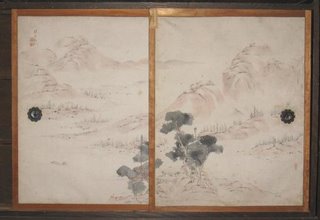
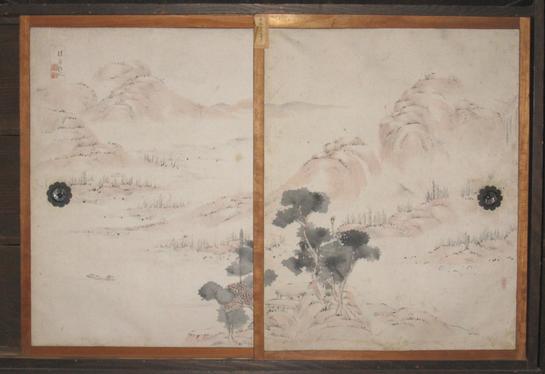
Painted paper doors of a cupboard


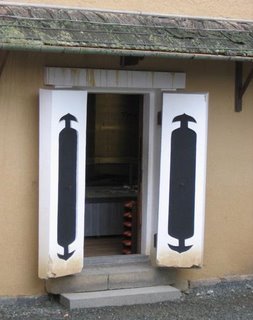
The doors of the store house (kura)


The walls of the store house were made of mud and other unburnable material to protect the treasures stored inside. The walls were very thick, so were the doors. Fire was a gread hazard in olden times and the strongly build "kura" were one way to protect one's property.


The rest are some scenes of the lovely garden.


::::::::::::::::::::::::::::::::::::::::::::::::::::::::::::::::::::::::::::::::::::::::::::::::::::: 


武家町の畠になりぬ秋茄子
buke machi no hatake ni narinu aki nasubi

Ripening in fields
that once were the samurai quarter--
autumn eggplant


Masaoka Shiki
Tr. Burton Watson


::::::::::::::::::::::::::::::::::::::::::::::::::::::::::::::::::::::::::::::::::::::::::::::::::::: 


夜寒なお文鎮光る武家屋敷
yosamu nao bunchin hikaru buke yashiki

this cold night -
a paperweight still sparkles
in the samurai residence

Kawakami Tokiko 川上登喜子


. Paperweight (bunchin 文鎮) and Daruma  


:::::::::::::::::::::::::::::::::::::::::::::::::::::::::::::::::::::::::::::::::::::::::::::::::::::


BACK TO
Katsuyama, a postal station of the Road to Izumo 


BACK TO
Samurai and Haiku


::::::::::::::::::::::::::::::::::::::::::::::::::::::::::::::::::::::::::::::::::::::::::::::::::::: 
[ . BACK to WORLDKIGO . TOP . ]
[ . BACK to DARUMA MUSEUM TOP . ]

::::::::::::::::::::::::::::::::::::::::::::::::::::::::::::::::::::::::::::::::::::::::::::::::::::: 

Katsuyama Hoo-Un no Miya

nnnnnnnnnnnn TOP nnnnnnnnnnnnn

Ho-Un Shrine, Hoo Un no Miya 宝雲宮


Entrance with Gate


The Gables


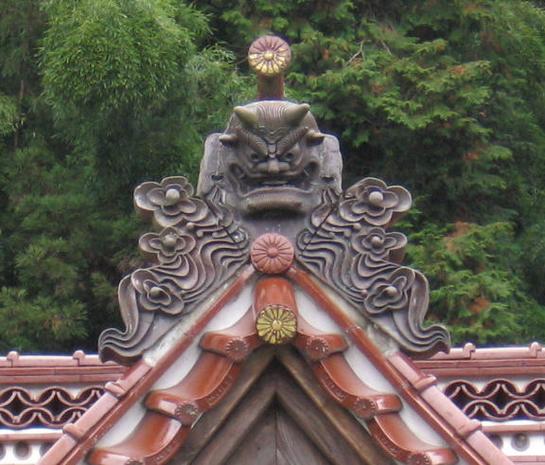
Great Demon Gable Tile (onigawara 鬼瓦)


Inside, Lampions with the name of the deity
宝雲大権現


The innermost shrine with the sacred mirror


Beautiful woodwork at the sides


Look at more small shrines at the side of this temple !  
Until # 91.


:::::::::::::::::::::::::::::::::::::::::::::::::::::::::::::::::::::::::::::::::::::::::::::::::::::
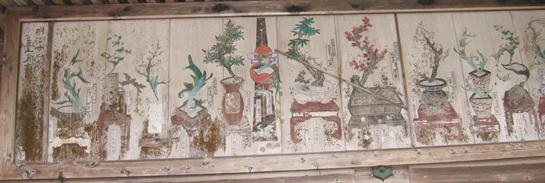
Painted wooden boards with Bonsai motives

Considering the fact that they outside at the side of the temple below the roof, the colors are still very vivid indeed!


A turtle holding the pot


A gourd


An old haiku comes to mind

admiring bonsai !
time passes elegantly this
summer night  


:::::::::::::::::::::::::::::::::::::::::::::::::::::::::::::::::::::::::::::::::::::::::::::::::::::


BACK TO
Katsuyama, a postal station of the Road to Izumo


***********************

Please send your contributions to Gabi Greve

Alphabetical Index of the Daruma Museum

Worldkigo Database

Katsuyama, Okuninushi Yashiro

nnnnnnnnnnnn TOP nnnnnnnnnnnnn

The Okuninushi Yashiro Shrine in Katsuyama


大国主命の社 おくにぬしのやしろ。 大国主尊

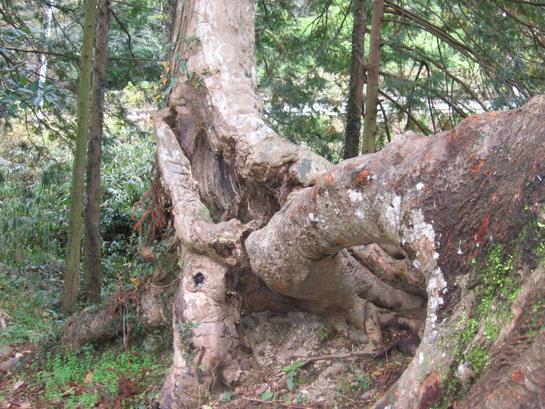
At the northern end of the town, below the Castle Mountain, are the remains of an old shrine. Now the old trees are the most impressive.
They really exsude a sacred presence with their huge trunks and majestic branches.

Entrance to the Shrine


Izumo Oyashiro-kyo religion is a Shinto sect that links people with Okuninushi-no-kami, a Shinto god credited with love and happiness. The religion of the Izumo Taisha Shrine focuses on the relationship of love, which binds Okuninushi-no-kami with all humanity.
This relationship and the religion that glorifies it have permeated Japanese culture and the life patterns of Japanese people throughout the years of Japanese history.

Read more about Izumo and Okuninushi no Mikoto 


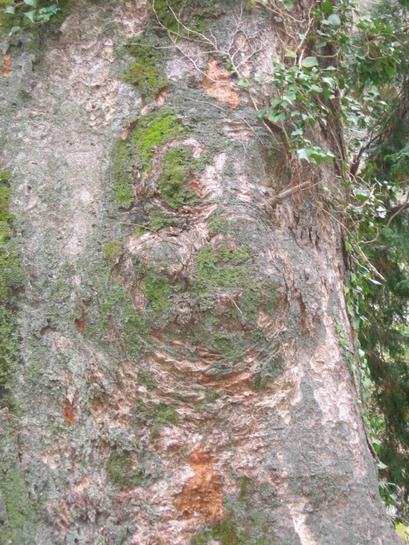
Navel of this huge tree


Intermingling roots and trunks


pockmarks of time
passed with the gods -
these trees in winter


:::::::::::::::::::::::::::::::::::::::::::::::::::::::::::::::::::::::::::::::::::::::::::::::::::::

Kagura, the Dance for the Gods in Izumo
Gabi Greve 


BACK TO
Katsuyama, a postal station of the Road to Izumo


External LINK with all the Details on this Deity

O-Kuni-Nushi-no-Kami

Okuninushi and Daikoku
Mark Schumacher  


***********************

Please send your contributions to Gabi Greve

Alphabetical Index of the Daruma Museum

Worldkigo Database